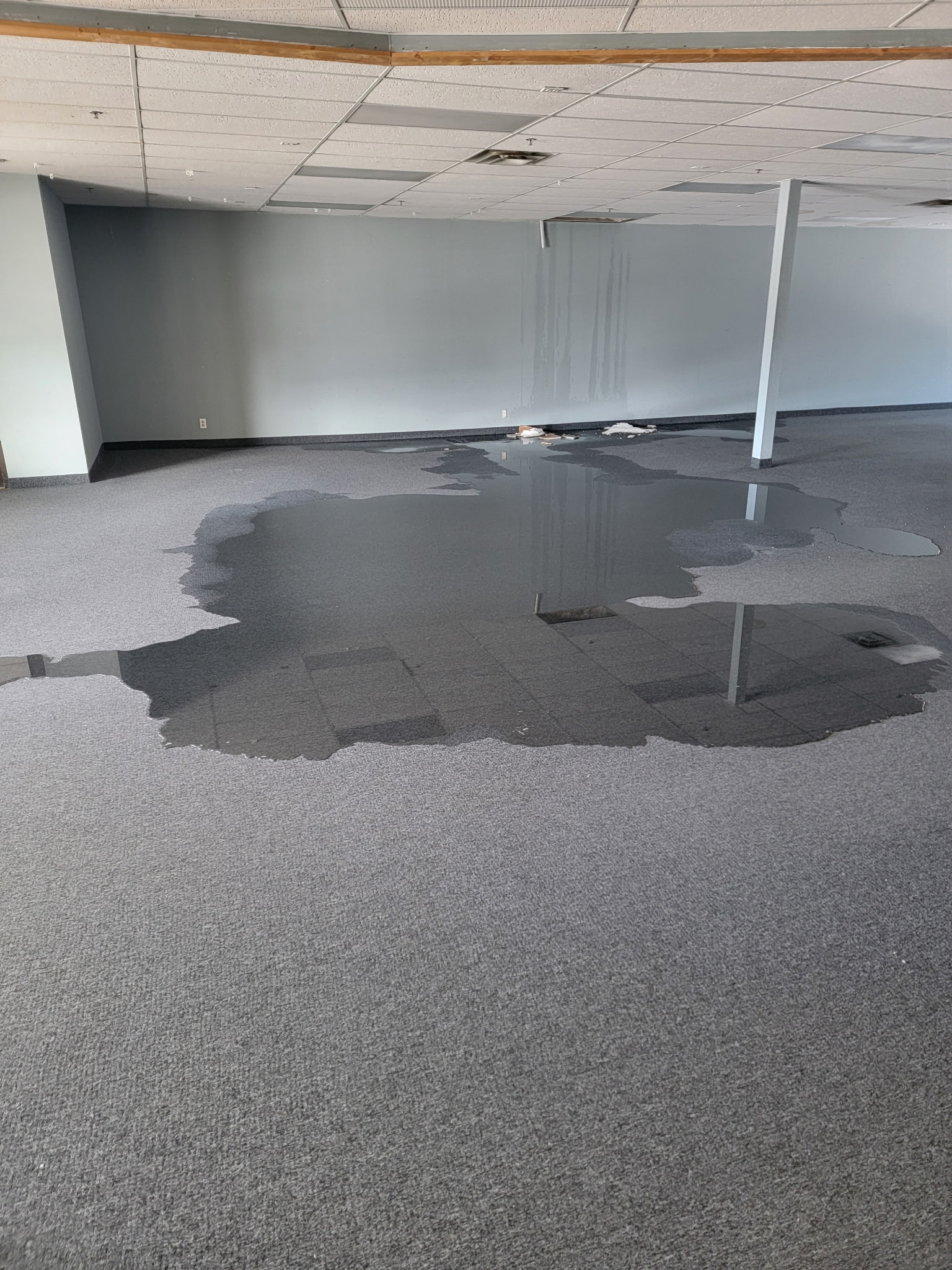
Commercial water damage in the Twin Cities demands rapid, professional intervention that protects both your property and the people inside it. Low-VOC (volatile organic compound) cleaning protocols represent the gold standard for eco-friendly water damage restoration, delivering effective results while maintaining healthy indoor air quality. These green cleaning methods use EPA Safer Choice and Green Seal certified products that eliminate harmful chemical emissions without sacrificing cleaning power or restoration speed.
Minneapolis and St. Paul commercial properties face unique water damage challenges, particularly during winter when pipe bursts average 127 incidents per month from December through February. When disaster strikes, choosing a restoration approach that prioritizes both effectiveness and occupant health ensures your business returns to normal operations in the safest possible environment.
Volatile organic compounds are carbon-based chemicals that evaporate at room temperature, releasing gases into the air you breathe. According to the U.S. Environmental Protection Agency, indoor VOC concentrations can reach levels up to ten times higher than outdoor air. Traditional cleaning products, disinfectants, and restoration chemicals frequently contain VOCs including formaldehyde, benzene, and ethylene glycol.
The World Health Organization estimates that indoor air pollution, including VOCs, contributes to approximately 3.8 million deaths annually worldwide. For commercial properties where employees, customers, and visitors spend significant time, exposure to high VOC levels can cause headaches, respiratory irritation, decreased cognitive function, and long-term health concerns. Water damage restoration inherently involves intensive cleaning and chemical application, making low-VOC protocols essential for protecting building occupants.
Minnesota commercial buildings face distinct environmental challenges that make green cleaning protocols particularly valuable. The extreme temperature swings characteristic of Twin Cities winters create conditions where buildings remain sealed for extended periods, allowing indoor pollutants to accumulate without natural ventilation. When water damage occurs and restoration work begins, traditional high-VOC products can dramatically impact indoor air quality in these closed environments.
Commercial water damage sources in the Minneapolis-St. Paul area commonly include frozen pipe bursts, fire sprinkler system failures, roof ice dam leaks, and seasonal flooding from rapid snowmelt. Each scenario requires thorough extraction, drying, and sanitization work. Low-VOC protocols ensure this intensive restoration process does not compromise the health of employees returning to work or customers visiting your establishment.
Beyond health considerations, many Twin Cities commercial properties pursue or maintain Leadership in Energy and Environmental Design (LEED) certification for existing buildings. LEED standards specifically address indoor environmental quality, requiring documented green cleaning policies and the use of low-toxicity products. An eco-friendly water damage restoration approach supports LEED compliance and can contribute valuable points toward certification or recertification.
Professional eco-friendly restoration relies on cleaning products verified by independent certifying organizations. EPA Safer Choice certification indicates that every ingredient in a product has been evaluated against strict human health and environmental criteria. Products carrying the EPA Design for the Environment (DfE) logo meet these same standards specifically for antimicrobial and disinfecting applications required during water damage restoration.
Green Seal certification provides another trusted standard for commercial cleaning products. The organization strictly limits VOC content and requires products to perform effectively without harmful chemical formulations. When selecting a restoration contractor, ask specifically about their product certifications and verify they use fragrance-free, low-VOC solutions throughout the restoration process.
The Institute of Inspection, Cleaning and Restoration Certification (IICRC) develops the industry standards that define best practices for water damage restoration. ANSI/IICRC S500 Standard for Professional Water Damage Restoration establishes procedures for assessment, water extraction, structural drying, and antimicrobial treatment in commercial and residential buildings.
IICRC standards classify water damage into three categories based on contamination level. Category 1 involves clean water from sanitary sources like supply lines. Category 2 contains significant contamination that could cause illness. Category 3 involves highly contaminated water from sewage or flooding. Each category requires specific treatment protocols, and low-VOC products are available for effective restoration across all contamination levels.
Professional water damage restoration prioritizes rapid structural drying to prevent mold growth and secondary damage. Industrial air movers, commercial dehumidifiers, and moisture monitoring equipment remove water from building materials without relying heavily on chemical treatments. This mechanical approach naturally reduces the overall chemical load required during restoration.
Proper ventilation during and after restoration work helps dissipate any VOCs from necessary cleaning products. HEPA-filtered air scrubbers capture particulates while promoting air exchange. These equipment-based solutions represent a core component of eco-friendly restoration methodology, achieving thorough results through science-based drying principles rather than chemical saturation.
Air scrubbers play a critical role in eco-friendly commercial water damage restoration, working alongside dehumidifiers and air movers to improve indoor air quality throughout the drying process. These industrial-grade units continuously draw air through multi-stage filtration systems — typically including a HEPA filter capable of capturing 99.97% of airborne particles at 0.3 microns — removing mold spores, bacteria, dust, and VOC-laden particulates generated during restoration work.
For Minneapolis and St. Paul commercial properties, air scrubbers provide an additional layer of protection that aligns directly with low-VOC restoration goals. By actively filtering the air rather than simply exhausting it, air scrubbers prevent cross-contamination to unaffected areas of the building and reduce the concentration of any airborne contaminants released during cleaning and structural drying. IICRC S500 guidelines recommend air scrubbers as essential equipment in Category 2 and Category 3 water damage scenarios, where microbial contamination risk is elevated.
Activated carbon filters, often incorporated into multi-stage air scrubber configurations, specifically target VOC gases — making them especially valuable when any chemical treatment is required during restoration. This dual-filtration approach (HEPA for particulates, activated carbon for gases) ensures the indoor air environment remains as clean as possible for building occupants and restoration crews alike.
Not all products marketed as “green” or “natural” meet rigorous third-party certification standards. The EPA warns against generic claims like “environmentally friendly” or “eco-safe” that lack verification. When evaluating restoration contractors or products, look for specific certifications from recognized organizations.
Water-based cleaners generally contain lower VOC levels than solvent-based alternatives. Fragrance-free products emit fewer volatile compounds since synthetic fragrances represent a significant source of VOCs in commercial cleaning solutions. Research from the Environmental Working Group found that many cleaning products release hundreds of VOCs, making careful product selection essential.
Concentrated formulations reduce packaging waste and transportation impacts while allowing precise dilution for specific cleaning tasks. Hydrogen peroxide-based disinfectants offer effective antimicrobial action with safer environmental profiles than traditional chlorine-based products. These safer disinfectants appear on EPA List N for use against pathogens while meeting Safer Choice criteria.
Healthier indoor environments directly impact employee productivity, customer satisfaction, and tenant retention. Research indicates that improved indoor air quality reduces sick days, respiratory complaints, and workplace discomfort. For commercial property owners and managers, these health outcomes translate into tangible business benefits.
Low-VOC restoration supports faster building reoccupancy since occupants can safely return to spaces without waiting for chemical off-gassing to complete. Traditional restoration products may continue releasing VOCs for weeks or months after application, whereas eco-friendly alternatives minimize this extended exposure period.
Environmental responsibility increasingly factors into commercial real estate decisions. Tenants, investors, and customers prefer businesses that demonstrate commitment to sustainability. Green cleaning practices during water damage restoration reflect organizational values while protecting the local Minnesota environment from harmful chemical runoff and air pollution.
Professional eco-friendly water damage restoration follows a systematic process designed to protect your property and occupants. Initial assessment documents the extent of damage and contamination level, establishing the appropriate restoration approach. Emergency water extraction begins immediately to minimize structural damage and mold risk.
Structural drying utilizes industrial equipment positioned throughout affected areas, with moisture monitoring ensuring complete drying to IICRC standards. Cleaning and sanitization applies certified low-VOC products appropriate to the contamination category. Final inspection verifies restoration completion and safe indoor air quality levels.
Documentation throughout the process supports insurance claims and demonstrates compliance with industry standards. IICRC-certified technicians understand both the technical requirements of effective restoration and the importance of protecting occupant health through green cleaning practices.
Are low-VOC cleaning products as effective as traditional chemicals for water damage restoration?
Yes. Products certified by EPA Safer Choice and Green Seal must demonstrate effective cleaning performance as part of certification requirements. Modern eco-friendly formulations achieve equivalent results to traditional products while eliminating harmful chemical emissions. Many hospitals, schools, and government facilities now require these certified products specifically because they combine effectiveness with occupant safety.
How quickly can commercial water damage be restored using eco-friendly methods?
Professional restoration timelines depend on damage extent rather than product selection. Most commercial water damage restoration completes structural drying within three to five days using proper equipment and techniques. Low-VOC protocols do not extend restoration timelines and may actually allow faster building reoccupancy since occupants avoid waiting for chemical off-gassing periods.
What certifications should I look for when hiring a water damage restoration company?
IICRC certification indicates technicians have completed rigorous training in water damage restoration best practices. Ask specifically about the company’s use of EPA Safer Choice or Green Seal certified products. Licensed general contractors with restoration specialization can handle both mitigation and reconstruction needs while maintaining consistent green protocols throughout the project.
Does green water damage restoration cost more than traditional methods?
Eco-friendly restoration typically costs comparably to traditional methods. While some certified green products carry slight price premiums, the overall project cost depends primarily on damage extent, equipment requirements, and labor time. The health and environmental benefits of low-VOC restoration deliver value that extends well beyond the immediate restoration project.
Will my insurance cover eco-friendly water damage restoration?
Standard commercial property insurance covers water damage restoration using industry-standard methods, including IICRC-compliant green protocols. Insurance adjusters recognize certified restoration procedures, and thorough documentation supports claims regardless of the specific products used. Professional restoration companies work directly with insurance carriers to streamline the claims process.
Water damage emergencies demand immediate professional response, but fast action should not compromise occupant health or environmental responsibility. Eco-friendly, low-VOC restoration protocols deliver the thorough results commercial properties require while maintaining the indoor air quality your employees, customers, and tenants deserve.
Minneapolis and St. Paul businesses benefit from working with IICRC-certified restoration professionals who understand both the technical requirements of effective water damage mitigation and the importance of green cleaning practices. When disaster strikes your commercial property, choose restoration services that protect your investment, your people, and your community.
Prev: Fast & Reliable Smoke Damage CleanupNext: Dehumidification Strategies for Large Commercial Spaces vs. Residential HomesView All Resources