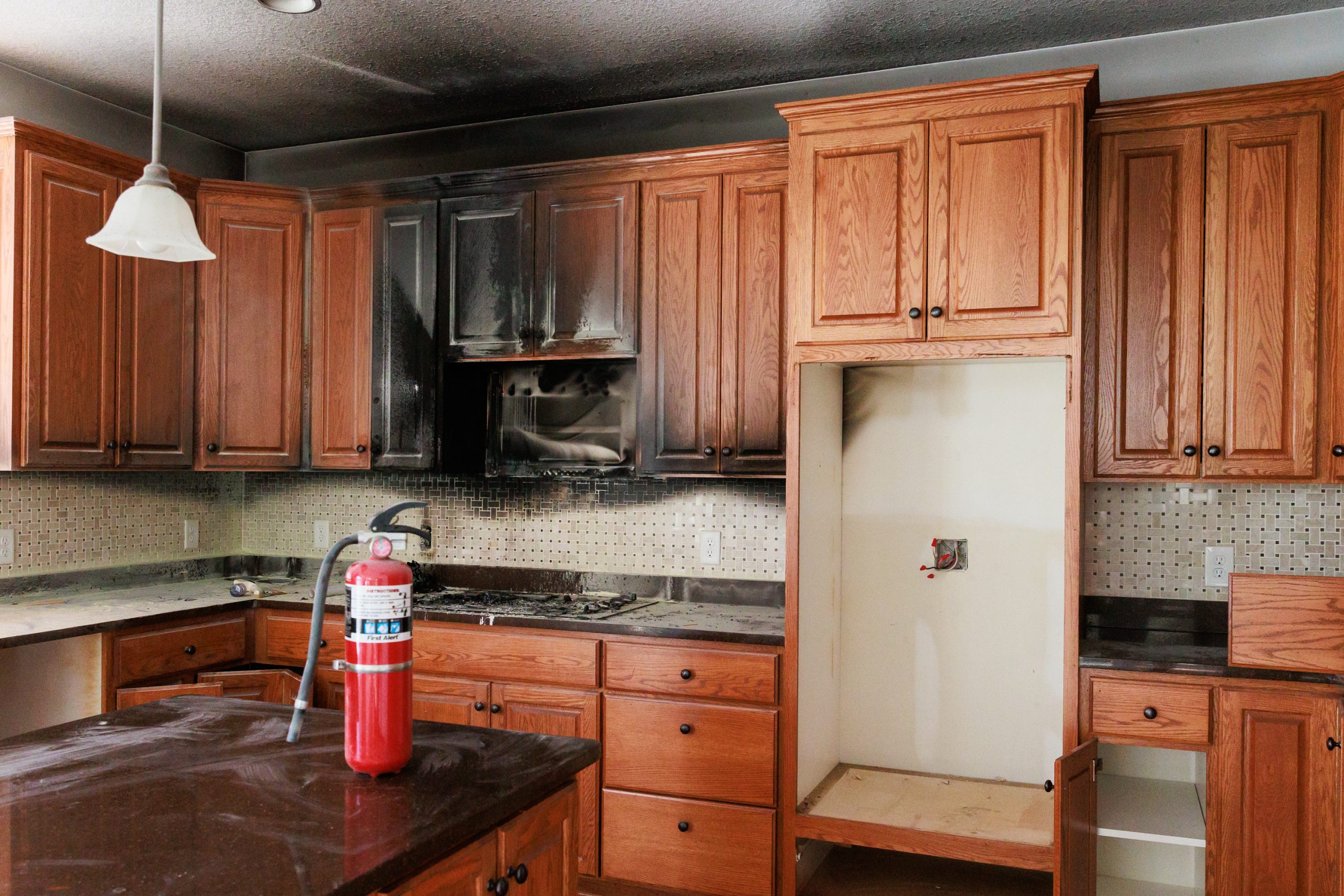
When fire strikes your Twin Cities commercial property, every hour of delay can mean thousands of dollars in additional damage and extended business interruption. Professional fire mitigation that begins within the first 24 hours significantly reduces total restoration costs and accelerates your return to normal operations.
Green Clean provides 24/7 emergency fire mitigation services for commercial properties throughout Minneapolis, St. Paul, and the greater Twin Cities metro area. Our IICRC-certified technicians understand that commercial fires demand immediate, methodical response protocols to protect your property and minimize downtime.
According to the National Fire Protection Association, U.S. fire departments respond to over 18,000 commercial fires annually, resulting in more than $2 billion in direct property damage. Research from Allianz Risk Barometer shows that fire and explosion account for over 36% of business interruption insurance claims by value.
The speed of professional intervention directly impacts these costs. Smoke residue becomes increasingly difficult to remove after 48 to 72 hours as acidic compounds etch into surfaces. Water damage from firefighting efforts can trigger mold growth within 24 to 48 hours. Secondary damage compounds rapidly when the building envelope is compromised.
Our mitigation process follows the ANSI/IICRC S700 Standard for Professional Fire and Smoke Damage Restoration, published in January 2025 as the first American National Standard specifically addressing commercial fire restoration.
When you contact our 24-hour emergency line, we dispatch a certified mitigation team to your location within one hour or less. Initial stabilization includes coordinating with fire department personnel, conducting safety assessments, boarding up damaged openings, installing temporary structural supports, and initiating water extraction if needed.
These emergency measures prevent unauthorized access, protect interiors from weather exposure, and halt secondary damage progression.
Our technicians conduct thorough assessments following IICRC guidelines, identifying the type, extent, and boundaries of fire, smoke, and water damage. We examine structural components, HVAC systems, building contents, and hidden damage in wall cavities and ceiling spaces.
We classify smoke residue types—dry, wet, protein, or fuel oil—because each requires specific cleaning methods. This precision ensures effective restoration without causing additional damage.
Active mitigation includes deploying HEPA air filtration, establishing containment barriers, removing standing water, applying corrosion inhibitors to metal surfaces and electronics, and relocating salvageable contents for cleaning. We prioritize critical equipment, inventory, and documents while maintaining detailed chain-of-custody documentation for insurance purposes.
Fire restoration must include HVAC inspection since smoke and soot travel through ductwork and deposit throughout the building. Following guidance developed with the National Air Duct Cleaners Association, our technicians assess system restorability. Failure to address contaminated air systems results in persistent odors and recontamination of cleaned areas.
If your commercial property experiences a fire, these immediate steps protect your employees, property, and insurance claim.
Prioritize safety. Verify that everyone has evacuated safely and never re-enter without fire department clearance.
Contact your insurance provider. Notify your carrier immediately and document the conversation with date, time, and representative name.
Engage professional restoration. Contact an IICRC-certified fire restoration company for emergency mitigation. Quick response minimizes secondary damage and demonstrates reasonable property protection to your insurer.
Document everything. Photograph all visible damage before cleanup begins. Create an inventory of damaged items and preserve receipts and purchase orders.
Communicate with stakeholders. Inform employees, customers, and suppliers about the incident and recovery timeline.
Green Clean has served Twin Cities businesses with carpet cleaning and restoration services since 1996. Our approach reflects our core values: meticulous attention to detail, transparent communication, and solutions that work in our customers’ best interests.
We work directly with your building owner or property manage in conjunction with insurance adjusters to document damage accurately. Our detailed reporting includes photographs, moisture readings, air quality measurements, and itemized inventories that support timely claim resolution.
When your commercial property faces a fire emergency, you need a team that responds quickly and works methodically to protect your investment. That’s the Green Clean commitment: the right team, right away.
How quickly can Green Clean respond to a commercial fire emergency?
We dispatch emergency mitigation teams ASAP. For most Twin Cities locations, we can have a certified team on-site swiftly once the fire department clears the scene.
What certifications should I look for in a fire restoration company?
Look for IICRC certification, specifically the Fire and Smoke Restoration Technician credential. This demonstrates training in assessment, mitigation, cleaning, and documentation following industry standards.
Will my commercial insurance cover fire mitigation services?
Most commercial property policies cover fire damage including emergency mitigation. Business interruption coverage may also apply. Review your policy and work with your adjuster to understand specific coverage.
How long does commercial fire restoration typically take?
Emergency mitigation concludes in an expedited manner, while full restoration may take weeks to months depending on structural damage and reconstruction requirements.
What is the difference between fire mitigation and fire restoration?
Fire mitigation involves immediate actions to prevent further damage. Fire restoration encompasses the complete process of cleaning, repairing, and rebuilding the property to pre-loss condition.
Prev: Dehumidification Strategies for Large Commercial Spaces vs. Residential HomesView All Resources